
Categories
7FA
Borescope
Secure Multi Party Computation
The Compiler
Uncategorized
Book Your
Consultation
The power generation industry is pushing equipment to its limits. Combined cycle power plants in the United States are now operating 20–50% more hours annually than a decade ago.
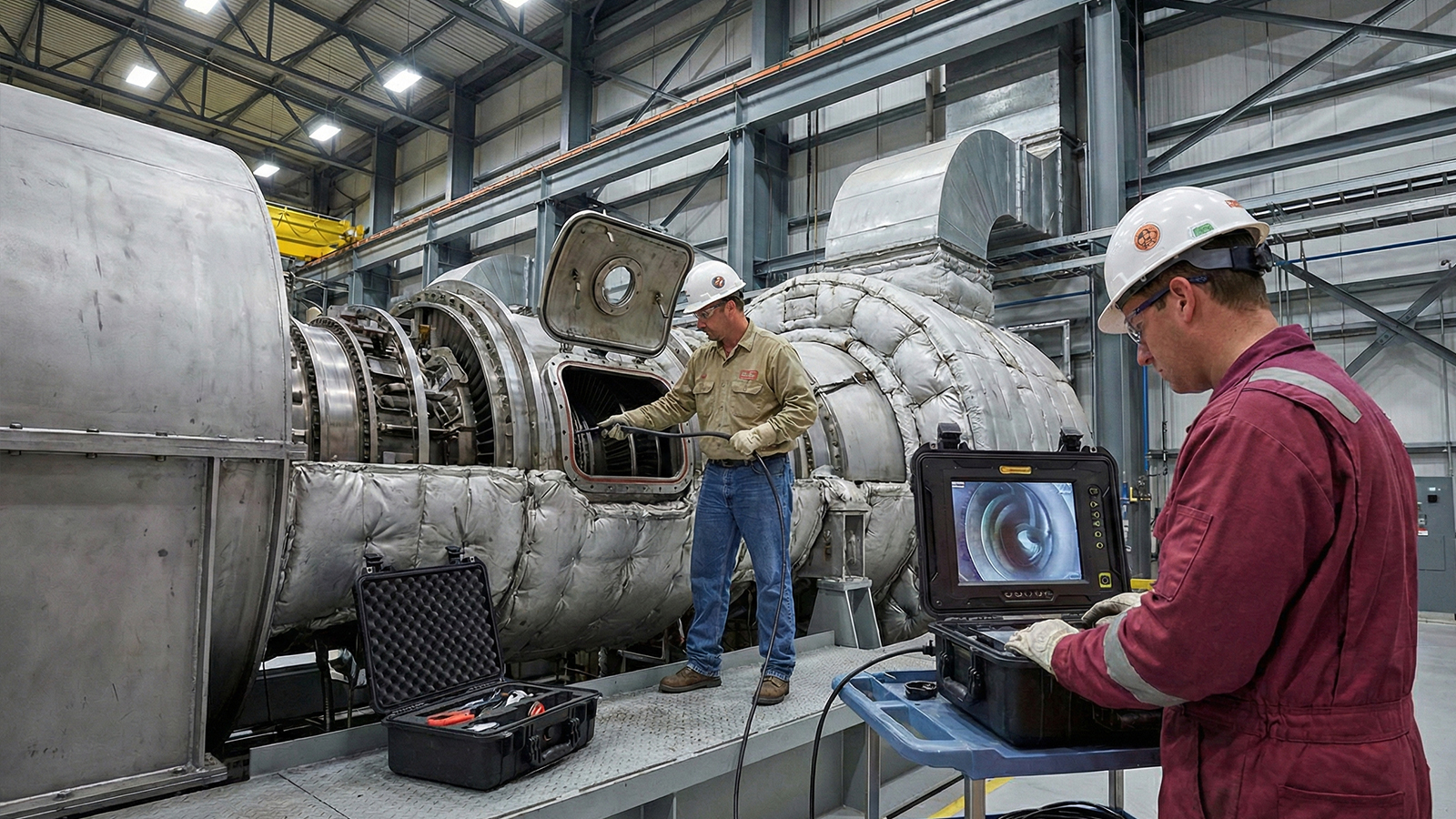
A well-planned borescope inspection program is essential. It’s like a medical checkup for your gas turbine, without the need for surgery. Modern visual inspection technology allows for the detection of issues like cracks, coating loss, and corrosion before they cause major problems.
At Advanced Turbine Support, we’ve been leading this field for over 25 years using the latest inspection equipment. Our team inspects compressor sections, combustion sections, turbine blades, and HRSG tube panels daily. We’ve seen firsthand how today’s borescope technology identifies problems early — and what happens when it doesn’t.
Forced outages at power plants are increasing. Issues Compressor, Combustion and Turbine section failures can lead to months of downtime. A proactive inspection strategy is no longer optional. It’s a critical tool for combined cycle operations to meet growing electric power demand without unexpected shutdowns.
Key Takeaways
- Combined cycle power plants are running significantly more hours annually, accelerating wear on gas turbine and HRSG components.
- Borescope inspections detect rubs, cracks, corrosion, deposits, coating loss, and foreign object damage before they cause forced outages.
- Advanced Turbine Support brings 25+ years of specialized inspection expertise with a team of over + field inspectors and engineers.
- Proactive inspections reduce the risk of costly, months-long unplanned shutdowns and allow users to plan outages.
- Rising electric power demand and delays in new plant construction make scheduled borescope programs a critical operational priority.
Understanding Modern Borescope Inspection Requirements for Combined-Cycle Operations
Combined-cycle plants are facing unprecedented demands. Units that once operated continuously now cycle daily. This change has required us to continually reevaluate inspection methods alongside our clients. Despite the advent of advanced non-destructive testing tools, the borescope camera remains essential.
Evolution of Visual Inspection Technology in Power Plants
Remote visual inspections were rare 2 decades ago. Access was limited, and rigid borescopes were mainly used for specific items. Today, articulating video borescopes are standard in our work. The digital borescope has transformed mid-life assessments into routine tasks — much like the shift from flip phones to smartphones — and we’ve adapted our programs accordingly.
Critical Components Requiring Remote Visual Inspection
GE 7FA machines require meticulous attention. When our inspectors run a flexible borescope through these units, we’re focused on detecting several key issues:
- Inlet inspections to include water wash nozzle pin integrity (TIL 1794)
- IGV rubbing and bushing migration at the vane assemblies
- Compressor Rotor Blade and Stator Vane integrity
- S5 vane pitting and corrosion
- Aft stator rock and compressor rub patterns
- Hot gas path components
Frequency and Timing of Turbine Inspections
The traditional “once a year” inspection schedule is outdated, and we’ve moved away from recommending it. We now advocate for two annual inspections: a deep dive and a quick check. This shift is driven by what we’ve been finding in GE Frames 5, 6B, 7EA, and 7FA units. These machines cycle more, run hotter, and experience hot gas path erosion faster than anyone anticipated.Using the right non-destructive testing equipment is central to everything we do. Advanced detection methods are how we prevent catastrophic failures before they happen.
Advanced Borescope Applications and Damage Detection Methods
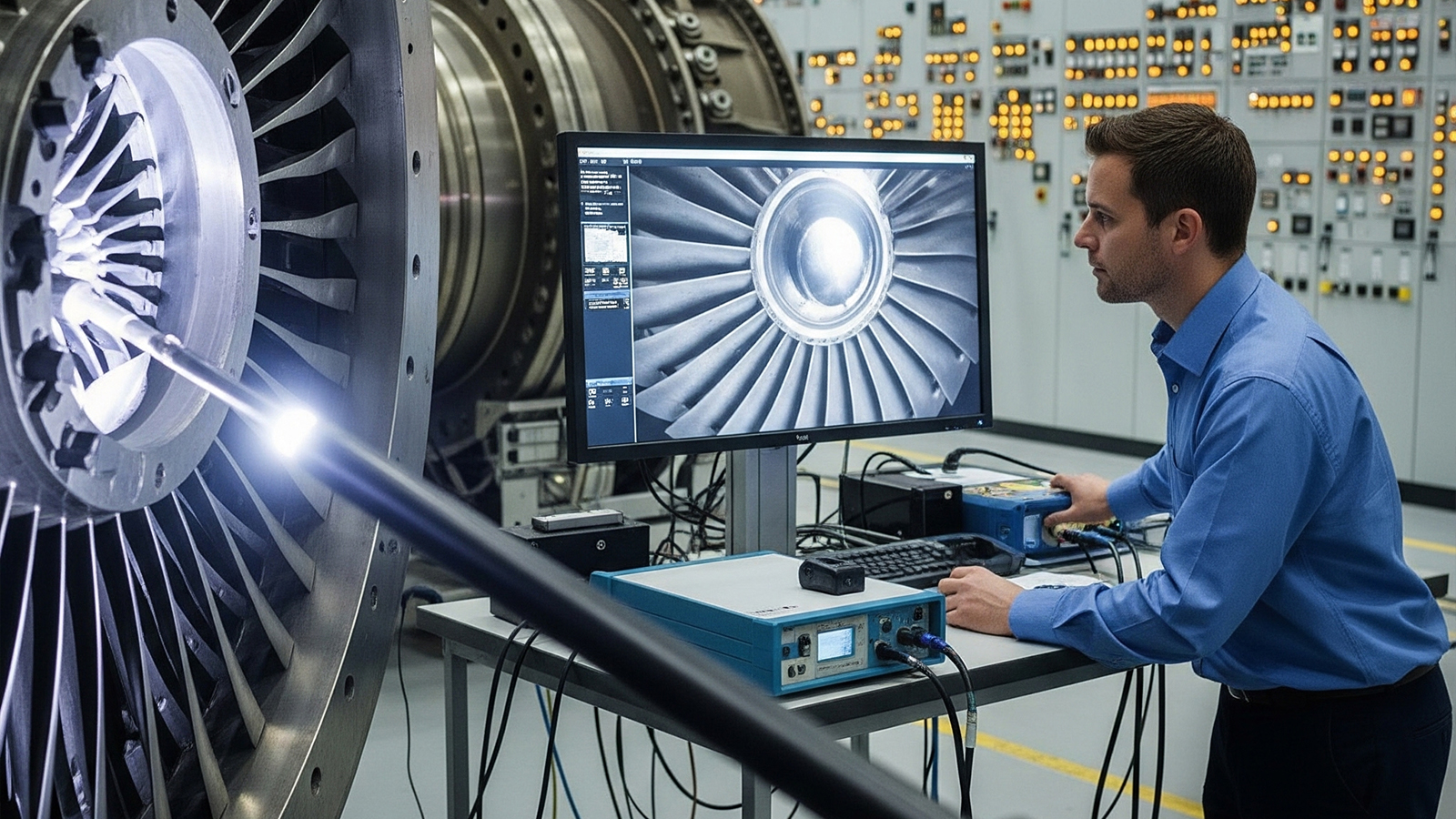
Here’s what our field services teams encounter that keeps them sharp. In a natural gas combined-cycle plant, our borescope inspections uncover damage that could prevent a catastrophic failure — or help interpet why one occurred. The patterns we see are worth understanding across the industry.
Identifying Unusual Significant Findings in Gas Turbines
Our onsite inspections have revealed some shocking damage over the years. GE 7EA units with compressor clashing, rotor blade and stator vane cracks, separated fuel nozzles, 7FA turbines with significant comprssor rubs, radial tip cracks and liberations, combustion liner and TP failures and third-stage bucket failures, Frame 6B units with S17 stator vane liberations, and Frame 5 units with stage 9 hook fit failures. Each of these led to forced outages and significant downtime for the plant operators involved.
Early detection with a borescope is what prevents these scenarios. It’s fundamentally changed how our clients approach maintenance strategy.
Conclusion
Combined-cycle plants in the U.S. are now operating 20–50% beyond their original capacity. This increased stress poses a significant risk to all components, from the compressor to the steam path valves. With over 25 years of experience, we at Advanced Turbine Support have seen what happens when this reality is underestimated — and what’s possible when plants get ahead of it.
The move from annual to bi-annual inspections reflects what we’ve observed in the field as these units cycle more aggressively. Our team of 30+ inspectors knows what early-stage stress, erosion, pit formation, and overheating look like before they escalate into major failures. Identifying abnormal exhaust temperatures or compressor wear during inspections gives plant operators the information they need to make smart maintenance decisions.
Engineering assessments based on ASME FFS-1 standards complement the visual inspection data we deliver.. Regular borescope inspections don’t just prevent downtime — they enhance grid reliability. For plants facing two-shifting, low-load operations, or stricter NOx standards, a proactive inspection strategy is the most effective solution we know of.
Do you need help with your turbine maintenance? Schedule a consultation today.
FAQ
How often should borescope inspections be performed on combined-cycle gas turbines?
We recommend two annual inspections:. This schedule reflects the increased operational demands our teams are seeing across the fleet. Plants now run 20–50% more hours than they were originally designed for, due to two-shifting and rising electric demand. For GE Frames 5, 6B, 7EA, and 7FA turbines, this bi-annual approach helps us catch significant issues before they become costly forced outages.
What types of damage can a video borescope detect during a turbine inspection?
A modern digital borescope or articulating videoscope can spot a wide range of damage — rubs, foreign object damage, corrosion pitting, separated fuel nozzles, disengaged knife seals, third-stage bucket failures in 7FA machines, and rotor drops causing extensive compressor damage. Remote visual inspection is our first line of defense against unplanned downtime.
How do borescope inspections help prevent forced outages at power plants?
Our inspections can act as an early warning system. We identify failure initiation sites and early symptoms before they escalate. Forced outages can take months to repair, and by documenting component degradation over time, our field services teams provide critical pre-outage information that aids in planning, budgeting, and scheduling. The shift from hours/starts-based maintenance to condition-based decisions — heavily reliant on borescope data — is what minimizes unplanned downtime for our clients.
What specific GE 7FA inspection protocols require borescope examination?
GE 7FA machines require extensive borescope inspection across multiple critical areas. Inlet water wash nozzle pins seating and IGV rubbing. Compressor inspections address front rotor blade rubs and stator vane axial cracks aft stator rock and aft compressor rubs. Recent findings in 7FA turbines reinforce why these protocols are essential safeguards against damage that could result in extended forced outages.
Next Posts
Borescope Strategies for Combined-Cycle Plants
admin February 28, 2026
Frame 7FA Borescope Inspections — Protecting Your Outage Budget & Availability
admin February 19, 2026
Essential Steam Turbine Troubleshooting Measures
admin March 22, 2023